Article
Sep 12, 2026
Why Convenience Stores Are Easy Targets for Theft
Long hours, small teams and cash on hand make convenience stores easy targets. Learn why theft happens and how smart surveillance improves protection.
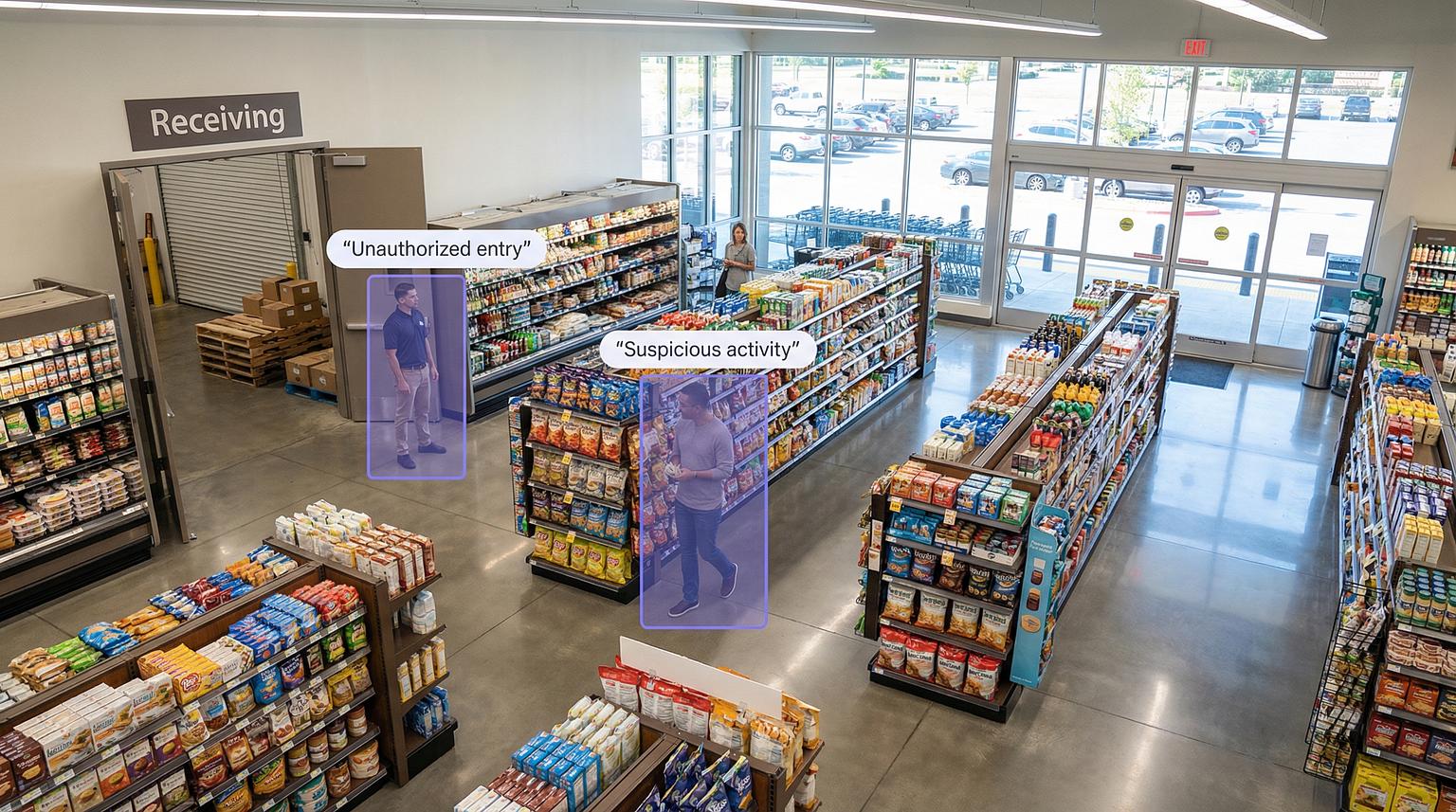
Convenience stores are designed for speed. Customers walk in, grab what they need, pay, and leave within minutes. That convenience also creates opportunities for theft.
Many businesses work throughout the day with just a few people per shift. The workers might be dealing with the cash register, putting new products on the shelves, cleaning the store, and assisting customers all at once. It is hard to keep an eye on everything constantly.
Under these circumstances, the criminals may use these conditions to hide their goods, use the blind spot or exit the store unnoticed.
Understanding these vulnerabilities is an important part of effective convenience store security. It allows owners and managers to address weak points before they turn into recurring losses.
Limited Staffing Creates Security Gaps
One of the biggest challenges for convenience stores is limited staffing.
In times of slack, there might be just one or two employees working. These employees cannot practically keep track of all customers and all cameras as they perform their duties.
A customer may walk into an aisle while an employee is attending to a customer at the cash register. One more employee may be doing stock keeping at the rear end of the shop. During this period, goods can vanish unnoticed.
This is why relying entirely on employee observation can leave significant gaps.
Stores Often Have Long Operating Hours
Many convenience stores operate early in the morning, late at night, or around the clock.
More operating hours mean more chances for stealing. It is especially hard to manage during overnight shift hours as there might be fewer staff members and it becomes difficult to spot unusual behavior amid customers.
Security should therefore continue beyond normal business hours.
Modern 24/7 security monitoring can provide an additional layer of oversight when employees are busy or staffing levels are low.
High-Value Products Are Easy to Conceal
Convenience stores carry many small products that can be quickly picked up and concealed.
Products that might appeal to robbers due to their ease of concealment and transport within the premises include electronics accessories, personal care items, tobacco products, cosmetics, and other similar high-value items.
Companies can lessen the likelihood of robbery by recognizing which items are typically targeted and positioning them in highly visible locations or secured sections.
Store Layout Can Create Blind Spots
The layout of a convenience store can unintentionally make theft easier.
Shelving that is too tall, displays, refrigerators, and congested product areas all serve to obstruct an employee’s line of sight. An employee located within such a hidden area would be able to hide goods easily.
This is where camera placement becomes important.
AI security cameras can provide continuous coverage of important areas while intelligent analytics can help identify activity that may require attention.
Nevertheless, technology is more effective where there is proper placement of cameras. The company must always be sure that its display and layout has not made any blind spots.
Traditional Cameras Do Not Always Provide Immediate Awareness
CCTV cameras are already installed in most convenience stores. However, recording does not necessarily mean that something unusual will be noticed.
Cameras are capable of capturing any event quite clearly, but people will still have to look through hours of recordings to catch the moment.
By the time missing inventory is discovered, the opportunity to respond has already passed.
AI-powered surveillance can analyze video feeds continuously and generate alerts when activity matches predefined security conditions.
This changes surveillance from passive recording toward proactive detection.
Busy Periods Can Hide Suspicious Activity
Convenience stores can experience sudden increases in customer traffic.
During busy periods, employees may focus on serving customers and processing transactions. A thief can potentially use the crowd as cover while staff attention is divided.
This makes shoplifting prevention especially challenging during peak hours.
With proper visibility for products, appropriately placed cameras, trained staff members, and smart surveillance, businesses can maintain their presence even during busy periods at the shop.
Theft Can Happen During More Than One Type of Incident
Shoplifting is not the only security concern.
Convenience stores are also vulnerable to employee theft, fraud, unauthorized entry, vandalism, and after-hours burglary.
There is a need for a security policy that goes beyond the customers and considers the rest of the loss sources.
For instance, transaction information can be used together with video analytics in investigating unusual transactions. It is also possible to configure surveillance in limited access areas and at specific times of the day.
The broader the security strategy, the more effectively a store can identify different types of risk.
Employees Cannot Monitor Every Camera
A store with multiple cameras may have excellent visual coverage but still lack effective monitoring.
An employee working at the register cannot constantly watch every screen. Even dedicated security personnel can miss events when monitoring multiple feeds for long periods.
This is a major reason businesses are increasingly considering intelligent video monitoring.
Instead of requiring someone to watch everything, AI can identify potentially important events and bring them to a person's attention.
The technology does not need to replace employees. It can help them focus their attention where it is most needed.
Real-Time Alerts Can Close the Response Gap
The difference between discovering theft immediately and discovering it hours later can be significant.
With intelligent monitoring, a suspicious event can trigger an alert that is reviewed by an authorized employee or monitoring operator.
A verified alert can then lead to an appropriate response based on the store's procedures. This could involve notifying staff, using a remote audio warning where supported, or escalating the situation when necessary.
The goal is not to encourage employees to confront suspected thieves. Employee and customer safety should always come first.
How Convenience Stores Can Reduce Their Risk
Convenience store owners can take several practical steps to strengthen security:
Place cameras around entrances, exits, registers, and high-risk product areas.
Remove unnecessary visual obstructions and reduce camera blind spots.
Keep frequently targeted products in visible or controlled areas.
Train employees to recognize suspicious behavior without encouraging confrontation.
Review theft incidents to identify recurring patterns.
Use AI analytics to reduce dependence on constant manual monitoring.
Consider remote or 24/7 security monitoring for additional coverage.
Review security procedures whenever the store layout or operating hours change.
These measures work best when combined rather than treated as individual solutions.
Where AI Can Make a Difference
AI-powered surveillance can help convenience stores address one of their biggest security problems: limited human attention.
A solution such as Survill can combine AI-based video analysis with real-time monitoring and human verification. Instead of asking employees to watch every camera continuously, the system can help identify potentially important events and bring them to trained monitoring personnel for review.
This approach can support retail theft prevention while also helping businesses respond to other security concerns, including unauthorized access and after-hours activity.
Final Thoughts
It is wrong to say that convenience stores are easy prey due to lack of security. Rather, these businesses are open to robbery because of the way they operate: long working hours, minimum number of employees on duty, quick change of customers, valuable goods, and monitoring problems.
The right security strategy addresses those weaknesses directly.
Cameras provide visibility. Employee awareness provides another layer of protection. AI-powered detection and real-time monitoring can help businesses identify potential risks faster.
For convenience stores looking to move beyond passive surveillance, Survill provides an intelligent approach that combines technology with human oversight.
The goal is clear: Make suspicious activity difficult to overlook, act quickly when it counts, and provide a secure setting for employees and patrons.